Common Billing Errors That Lead to Denials and Unpaid Claims
- TronsIT Solutions
- 0 Comments
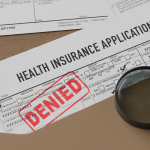
One of the biggest financial challenges healthcare providers face is claim denials and unpaid reimbursements. Billing errors are a main cause of revenue loss, and with the growing complexity of healthcare policies, even small errors can result in delays, denied claims, or financial penalties.
Common medical billing mistakes along with coding errors, missing patient data, and incorrect claim submissions can lead to significant revenue losses. According to the American Medical Association (AMA), almost 15% of all medical claims are denied because of preventable billing mistakes. These mistakes not only affect a healthcare provider’s cash flow however also create administrative burdens that slow down operations.
In this article, we’ll examine the most common billing errors, discover best practices in medical billing and coding, and discuss how to prevent claim denials in medical billing.
Most Common Medical Billing Errors
1. Incorrect or Incomplete Patient Information
Even minor errors in patient details—which include misspelled names, wrong birthdates, or mismatched insurance IDs—can cause claims to be rejected. according to a 2025 Healthcare revenue Cycle report, almost 30% of denied claims result from wrong patient demographics.
2. Inaccurate or Outdated Insurance Information
Insurance providers regularly change policies, coverage limits, and network eligibility, making it vital to verify a patient’s insurance details before each appointment. Failing to do so can result in denied claims due to insurance expiration or policy mismatches.
3. Coding Errors and Use of Outdated Codes
Medical billing relies on ICD-10, CPT, and HCPCS codes, which are updated annually. Using wrong or previous codes leads to immediate denials. The office of Inspector general (OIG) has recognized upcoding and undercoding as important compliance risks, resulting in claim rejections and possible fraud investigations.
4. Duplicate Billing and Unbundling of Services
Duplicate billing occurs when the same method is billed multiple times due to human error or device glitches. Similarly, unbundling—where providers bill separate procedures that must be grouped under one code—can cause audits and claim denials.
5. Missing Prior Authorization or Medical Necessity Documentation
Many insurance businesses require pre-authorization for treatments, surgical procedures, or prescriptions. Filing claims without the correct authorization can lead to automated denials. Also, insurers may reject claims if they believe a process is not medically essential based on submitted documentation.
6. Late Claim Submissions and Filing Errors
Every insurance provider has a selected timeframe for filing claims. According to CMS guidelines, Medicare claims should be submitted within 12 months of service, even though private insurers may additionally have deadlines as quick as 90 days (about 3 months). Failing to fulfill submission deadlines results in permanent claim denials.

Best Practices in Medical Billing and Coding
1. Implement Regular Staff Training and Coding Updates
Medical billing staff must receive ongoing training to stay updated on ICD-10, CPT, and HCPCS code modifications. The American Academy of Professional Coders (AAPC) recommends quarterly coding audits to seize mistakes before they affect revenue.
2. Use AI-Powered Billing Software for Accuracy
AI-driven billing platforms can help detect and prevent common billing mistakes. These systems use machine learning algorithms to:
- Verify patient information automatically.
- Flag incorrect or outdated codes before submission.
- Provide real-time alerts for missing documentation.
3. Conduct Pre-Authorization and Insurance Verification
Before providing services, healthcare providers must verify:
- Insurance coverage eligibility.
- Deductibles and co-pays.
- Requirements for pre-authorization.
Automating insurance verification can lessen billing rejections by 50%, according to a 2025 report by using the Healthcare financial management association (HFMA).
4. Establish a Dedicated Claims Follow-Up Team
A team that tracks claim submissions identifies denials and resubmits claims promptly can recover as much as 85% of previously denied claims. The Medical Group Management Association (MGMA) suggests corporations aim for a claim denial rate of less than 5%.
5. Maintain Compliance with HIPAA and Regulatory Guidelines
Healthcare providers must ensure billing practices follow HIPAA, CMS, and payer-specific policies. Regular compliance audits help prevent legal penalties and reduce claim denials.
Impact of Billing Errors on Revenue Loss
Billing Error | Denial Rate (%) | Revenue Loss per Year ($) |
Incorrect Patient Information | 30% | $500,000 |
Coding Errors | 25% | $700,000 |
Duplicate Billing | 15% | $400,000 |
Lack of Pre-Authorization | 20% | $600,000 |
Late Claim Submissions | 10% | $300,000 |
According to the American Hospital Association (AHA), hospitals and clinics lose over $262 billion annually due to billing errors and claim denials.
How to Reduce Claim Denials in Medical Billing
Healthcare providers should undertake proactive strategies to lessen claim denials in medical billing and improve revenue cycle management. The key steps include:
- Automating the billing workflow to catch mistakes before submission.
- Regularly review payer policies to stay compliant with insurance guidelines.
- Using analytics and reporting tools to quickly track claim denial patterns and solve issues.
- Maintaining clear communication with insurers to effectively recognize reasons for denial and appeal claims.
A 2025 Healthcare revenue study found that corporations that enforce denial management strategies can lessen claim rejection costs by 40% and recover 80% of denied claims within 60 days (about 2 months).
In the End
Billing mistakes are one of the leading causes of lost revenue and operational inefficiencies in healthcare. By addressing common medical billing errors, adopting best practices in medical billing and coding, and implementing proactive denial management strategies, healthcare carriers can improve reimbursement rates and financial stability.
At TronsIT Solutions, we offer end-to-end revenue cycle management, AI-powered billing solutions, and compliance-driven medical billing services. Whether you need claims processing automation, denial management, or HIPAA-compliant billing support, we offer industry-leading expertise to ensure error-free medical billing and faster reimbursements. Contact us today to optimize your billing workflow and maximize revenue!
For more insights, explore our website!
Related Posts
Why TronsIT Solution’s is the Trusted IT Provider for Healthcare Businesses
- TronsIT Solutions
- March 17, 2025
Business The healthcare industry is changing quickly, and technology is crucial to improving pa ..
Navigating Insurance Credentialing: Tips for Faster Approvals
- TronsIT Solutions
- April 17, 2025
Navigating Credentialing in the ever-evolving healthcare landscape of 2025 can feel like trying ..